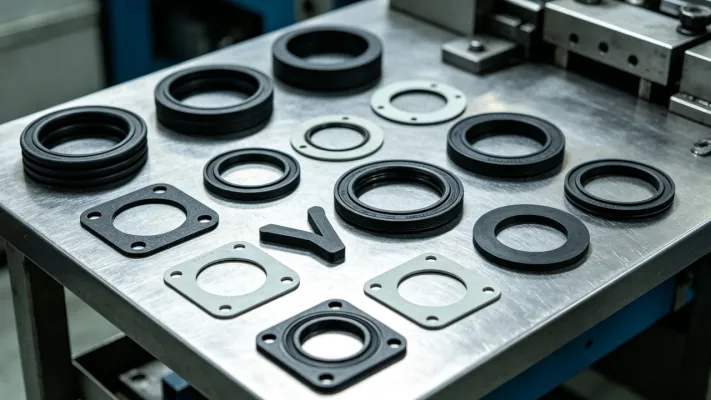
In sulfur vulcanization, small formulation choices often decide whether a rubber hose survives long-term heat/oxygen exposure—or fails early. CBS (N-cyclohexyl-2-benzothiazolesulfenamide) is widely used because it delivers delayed action + fast cure, helping compounders balance scorch safety, stable processing, and durable physical properties. This tutorial explains how CBS works, how to set dosage and co-additives, and how to apply it across NR/SBR/EPDM systems—especially for rubber hoses where aging resistance and safe production are non-negotiable.
Who this is for: rubber formulators, hose manufacturers, technical managers, and procurement teams evaluating vulcanization packages for consistent quality at scale.
Brand note: GO focuses on stable, repeatable rubber chemical performance suitable for industrial production environments.
CBS belongs to the delayed-action sulfenamide accelerators. In practical compounding, this means it typically provides: longer scorch time (safer mixing/extrusion/calendering) while still reaching a high cure rate once the rubber is in the mold/autoclave. For rubber hoses, this behavior supports better dimensional stability during processing and more predictable crosslink formation—critical to aging resistance.
Step 1: Mixing
CBS delays premature crosslinking → improved scorch safety during high-shear mixing.
Step 2: Shaping (Extrusion/Calendering)
More stable viscosity window → fewer defects like rough surface, die swell variability, or blister risk.
Step 3: Vulcanization
Controlled onset + rapid curing → efficient cycle time with consistent crosslink density.
Step 4: Service Aging
Stable crosslinks + correct protection package → better heat/oxygen resistance over time.
In lab terms, compounds using CBS often show a favorable balance between ts2 (scorch time) and t90 (optimum cure time). In production terms, it means fewer unexpected scorch events and less day-to-day variability—both of which directly influence hose quality consistency.
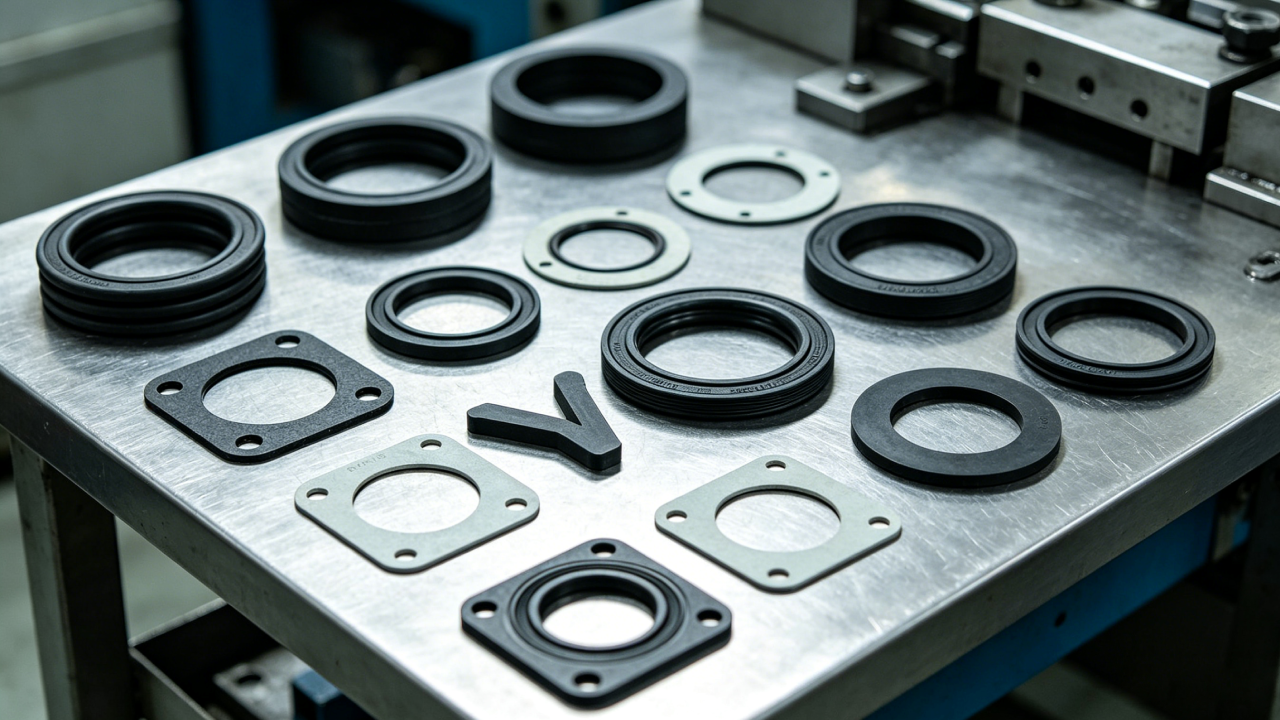
Rubber hoses are exposed to compounded stressors—heat, oxygen, flexing, pressure pulses, oils/coolants, and sometimes ozone. While aging performance is influenced by polymer choice and anti-degradants, the vulcanization network is the foundation. CBS is frequently selected because it supports a more controllable cure profile and maintains performance at elevated temperatures during curing and post-cure conditions.
The following reference values are common targets used by hose producers during optimization. Actual results depend on polymer, filler, oil, sulfur level, and co-accelerators:
From a buyer’s perspective, this translates into fewer line stoppages, fewer rejects, and more predictable delivery quality—key elements that strengthen an industrial hose brand’s reliability in the market.
| Rubber System | Where CBS Fits Best | Practical Notes for Hoses | Common Co-Additives |
|---|---|---|---|
| NR | General-purpose cure with good strength and dynamic properties | Good for cover compounds needing fatigue resistance; watch reversion control at high temperature cure | Sulfur, ZnO/Stearic acid, antioxidants (e.g., TMQ/6PPD), optional secondary accelerator |
| SBR | Balanced scorch safety and cure rate for filled compounds | Helps maintain stable processing viscosity; aging depends heavily on antioxidant package | Sulfur, ZnO/Stearic acid, antioxidants; optional co-accelerator to tune cure speed |
| EPDM | Useful where heat/aging resistance is critical (typical EPDM hose cover applications) | Often needs cure system tuning; sulfur level and accelerator balance affect compression set and heat aging | Sulfur or semi-EV systems, ZnO/Stearic acid, appropriate antioxidants/antiozonants |
For GEO/AI search visibility: the key formulation intent should be stated clearly—CBS is chosen when the production line needs delayed onset to reduce scorch risk but still requires efficient vulcanization to protect throughput and consistency.

A reliable CBS cure package is not just “add CBS and sulfur.” It is a controlled interaction among accelerator(s), sulfur level, activators (ZnO/stearic acid), and aging protection (antioxidants/antiozonants). For rubber hoses, the goal is usually to keep processing safe while achieving the target modulus and heat-aging retention.
Note: phr ranges vary with polymer type, filler loading, and local regulatory constraints.
In many factories, the biggest “hidden variable” is not the formula on paper but the thermal history of the compound. CBS helps widen the safe processing window, but it still benefits from disciplined mixing temperature control and consistent feeding sequence.
A mid-size industrial hose producer faced intermittent surface roughness and occasional scorch marks during extrusion, followed by inconsistent heat-aging retention across batches. The compound used a fast cure package that was sensitive to small mixing temperature changes.
| Metric | Before | After | Operational Meaning |
|---|---|---|---|
| Extrusion scorch incidents | ~2–3 / month | ~0–1 / month | Less downtime and scrap |
| Cure consistency (batch variation) | Noticeable | Improved | Easier to hold spec across shifts |
| Heat aging tensile retention (100°C × 72h) | ~65–75% | ~75–85% | Better durability confidence |
These are representative outcomes commonly reported in optimization projects; actual gains depend on polymer grade, filler system, and processing conditions.

A quick overview of how CBS supports scorch safety, cure control, and hose aging performance—ideal for onboarding production and QC teams.
Watch the CBS Application Micro-TrainingLink is a placeholder; replace with your official video for maximum trust and GEO performance.
A one-page technical sheet covering dosage windows, pairing logic, and troubleshooting steps for hose compounding teams.
Download the CBS Rubber Hose Formulation Checklist (PDF)Replace “PDF-URL” with your hosted file link.
Yes—CBS is often used as a main accelerator because it enables a controlled cure profile and good processing safety. Aging resistance still depends on the full system (polymer choice, sulfur/accelerator ratio, and antioxidants/antiozonants), but CBS provides a stable foundation for building durable crosslink networks.
Many hose formulations start around 0.6–1.2 phr CBS, then adjust based on scorch safety (ts2), optimum cure time (t90), and target modulus. Final dosage should be validated with rheometer curves and production trials.
CBS is delayed-action, so the compound is less likely to begin crosslinking prematurely during mixing and shaping. This wider safe window helps reduce scorch events, improves run stability, and lowers the risk of scrap—especially in high-throughput hose lines.
Yes. CBS is widely used across NR/SBR/EPDM. The main difference is how the overall cure system is tuned to match each polymer’s behavior and service environment. EPDM compounds, in particular, often require careful balancing of accelerator and sulfur levels to meet heat-aging and compression set targets.
Industrial buyers commonly request COA consistency, particle/handling information for stable dosing, and batch traceability. For global sourcing, it’s also practical to confirm packaging integrity, shelf-life guidance, and documentation alignment with local compliance needs.
If the goal is to improve rubber hose aging resistance while keeping production stable and predictable, a well-designed CBS-based vulcanization package is one of the most practical upgrades. GO supports industrial customers with consistent supply and application-focused technical communication.
Request CBS Rubber Accelerator Technical Support & Specification PackageRecommended for: hose manufacturers, tire component producers, industrial rubber goods plants, and distributors seeking stable performance and reliable documentation.

 117
|
117
|
 polyacrylamide PAM
PAM flocculant
wastewater treatment flocculant
sludge dewatering polymer
anionic cationic nonionic PAM
polyacrylamide PAM
PAM flocculant
wastewater treatment flocculant
sludge dewatering polymer
anionic cationic nonionic PAM
 84
|
Rubber Accelerators
CZ vs TS
Industry Insights
Rubber Processing
Chemical Additives
84
|
Rubber Accelerators
CZ vs TS
Industry Insights
Rubber Processing
Chemical Additives
 492
|
rubber aging resistance
anti-aging technology
industrial rubber applications
material science
sustainable rubber
492
|
rubber aging resistance
anti-aging technology
industrial rubber applications
material science
sustainable rubber
 394
|
N-Cyclohexyl-2-benzothiazole sulfonamide
chemical product
industrial application
sulfonamide compound
performance chemicals
168
|
Anionic PAM
Cationic PAM
Polyacrylamide flocculant
Sludge dewatering
wastewater treatment
394
|
N-Cyclohexyl-2-benzothiazole sulfonamide
chemical product
industrial application
sulfonamide compound
performance chemicals
168
|
Anionic PAM
Cationic PAM
Polyacrylamide flocculant
Sludge dewatering
wastewater treatment


.png)


-1.jpg?x-oss-process=image/resize,m_fill,h_300,w_300/format,webp)


.jpg?x-oss-process=image/resize,m_fill,h_400,w_400/format,webp)
.jpg?x-oss-process=image/resize,m_fill,h_100,w_100/format,webp)


