IPPD vs Amine vs Phenolic Antioxidants for Rubber: Performance Comparison for Heat Aging and Flex Fatigue
2026/03/20
Product comparison
Selecting the right antioxidant is critical when your rubber parts face high-temperature aging and repeated flexing. This article compares IPPD-class antioxidants—especially N-isopropyl-N′-phenyl-p-phenylenediamine (IPPD, C15H18N2, CAS 101-72-4)—with conventional amine and phenolic systems, focusing on heat stability, flex-fatigue resistance, and compatibility across NR, NBR, and common synthetic rubbers. Using GB/T 8828-2003 as a standard reference and practical component examples (tire sidewalls, seals, and belts), you will learn a data-driven selection logic to match antioxidant type to service conditions, helping avoid premature failures and unnecessary formulation costs. Make your rubber products more durable and reliable—starting with the right selection.
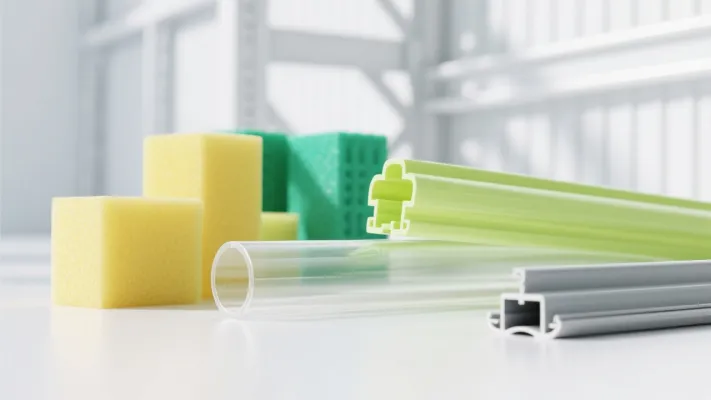
IPPD vs. Amine/Phenolic Antioxidants in Rubber: Which One Fits Your Real Service Conditions?
When your rubber parts face high-temperature aging and dynamic flex fatigue, “any antioxidant” quickly becomes “the wrong antioxidant.” If you’re responsible for formulation decisions, you need a selection logic that is data-driven, standard-referenced, and compatible with the rubber type you actually use—NR, NBR, or other synthetic rubbers.
This comparison focuses on IPPD-class antidegradants (e.g., N-Isopropyl-N′-phenyl-p-phenylenediamine, molecular formula C15H18N2, CAS 101-72-4) versus traditional amine and phenolic antioxidants—so you can match performance to your duty cycle, not to habit.
Standard reference (Quote Box):
GB/T 8828-2003 is commonly used as a benchmark framework for evaluating rubber antioxidants and their application suitability. Key takeaway for engineers: selection should be tied to aging mechanism (thermal/oxidative) and stress mode (static/dynamic), not just “general antioxidant type.”
1) Start With Your Rubber Type: NR, NBR, and Typical Synthetic Rubbers Behave Differently
Before you compare antioxidant families, anchor the decision to your polymer and environment. Oxidation rate, crack growth sensitivity, and additive migration vary significantly by base rubber.
- Natural Rubber (NR): Excellent elasticity, but prone to ozone/oxygen-driven surface cracking under flexing; typical in tire sidewalls and dynamic components.
- Nitrile Rubber (NBR): Better oil resistance; often used in seals and gaskets where heat + oil exposure accelerate oxidation and hardening.
- Common synthetic rubbers (e.g., SBR/BR blends): Widely used in tires and belts; fatigue performance under repeated strain is often the limiting factor, not just hardness retention.

2) What You Actually Need From an Antioxidant (By Working Condition)
In practice, most early failures come from a mismatch between aging mode and antioxidant mechanism. Here are the core requirements you should map:
High-temperature thermal aging (e.g., 100–140°C continuous, peaks higher):
You need stability against oxidative chain scission and crosslink changes—measured via retention of tensile strength, elongation, and hardness after oven aging. In many industrial rubbers, a strong system can deliver ~30% or more longer thermal-aging lifetime versus baseline formulations under comparable conditions (typical engineering reference range).
Dynamic flex / bend fatigue (tire sidewall, belts, vibration isolators):
You’re protecting against fatigue-driven microcrack initiation and growth, where oxidation accelerates crack propagation. For the right antioxidant class in dynamic applications, it’s common to see up to ~2× improvement in flex fatigue life compared to non-optimized or mismatched antioxidant choices (application-dependent).
Compatibility & migration control:
If the additive migrates too fast, you may get initial performance but weak long-term protection; if it’s poorly compatible, you risk blooming, processing inconsistency, or localized weak zones. Oil solubility and dispersion behavior are practical indicators for compounds exposed to oils and plasticizers.
3) IPPD vs. Traditional Amine vs. Phenolic: A Performance Comparison You Can Use
| Category |
IPPD class (e.g., N-Isopropyl-N′-phenyl-p-phenylenediamine) |
Traditional amine antioxidants |
Phenolic antioxidants |
| Thermal-aging robustness |
Strong in heat + oxygen environments; in many real compounds, engineers target ~30%+ longer aging life vs. baseline. |
Often good, but performance may vary widely by structure; not always optimized for high-flex heat aging. |
Typically excellent for general thermal oxidation inhibition, especially in less dynamic conditions; may be less effective under severe flex fatigue. |
| Flex fatigue / crack-growth resistance |
Often preferred for dynamic parts; field/bench references commonly report up to ~2× fatigue life improvement when properly formulated. |
Can help, but may underperform IPPD-class options in high-strain cycling applications. |
More suited to static or moderately dynamic parts; fatigue improvement may be limited in harsh flexing. |
| Compatibility & solubility (processing reality) |
Typically oil-soluble and water-insoluble, supporting good dispersion in many rubber/oil-containing systems. |
Compatibility varies; check blooming and long-term migration in your polymer/plasticizer package. |
Often easy to use for many polymers; may require synergy pairing for demanding dynamic environments. |
| Best-fit applications |
Tire components, seals under heat, conveyor/drive belts—especially where heat and flexing overlap. |
General-purpose rubber goods with moderate heat/dynamic demands; validate against your duty cycle. |
Many molded goods, hoses, and parts where static thermal aging is the main threat. |
The point isn’t that phenolic or other amine antioxidants are “bad.” It’s that if your failure mode is heat + oxygen + repeated strain, IPPD-class antioxidants tend to align better with the physics of degradation. That alignment is what turns into fewer warranty issues, more stable performance windows, and less trial-and-error.
4) A Practical Selection Flow (Infographic-Style) You Can Apply in 5 Minutes
If you’re under development pressure, you don’t need a textbook—your team needs a fast, defensible selection logic. Use this flow as a starting point, then validate via your internal aging and fatigue tests.
Step 1 — Define dominant stress:
• Mainly static heat aging → proceed to Step 2A
• Mainly dynamic flexing + heat → proceed to Step 2B
• Mixed + media exposure (oil, plasticizer, etc.) → proceed to Step 2C
Step 2A — Static thermal aging priority:
Consider phenolic antioxidants first, then verify tensile/elongation retention after oven aging; add synergy if heat is severe.
Step 2B — Flex fatigue + thermal oxidation priority:
Favor IPPD-class options; validate via flex fatigue or crack-growth testing and heat-aging retention. Target improvement references: ~30%+ aging life and up to ~2× fatigue life depending on compound and test method.
Step 2C — Media exposure + compatibility checks:
Check additive solubility/compatibility with oils and plasticizers; watch for blooming and migration. IPPD-class products are typically oil-soluble and water-insoluble, often helping dispersion in oil-present systems.
Step 3 — Lock in with evidence:
Choose 1–2 candidates → run oven aging + dynamic fatigue (or crack-growth) tests → select the formulation with the best retention per your acceptance criteria and standards.
This is also where GEO/AI-search friendliness matters: when you document your selection inputs (rubber type, service temperature, strain mode, media exposure, and test results), your internal knowledge becomes searchable, reusable, and easier to defend in customer audits.
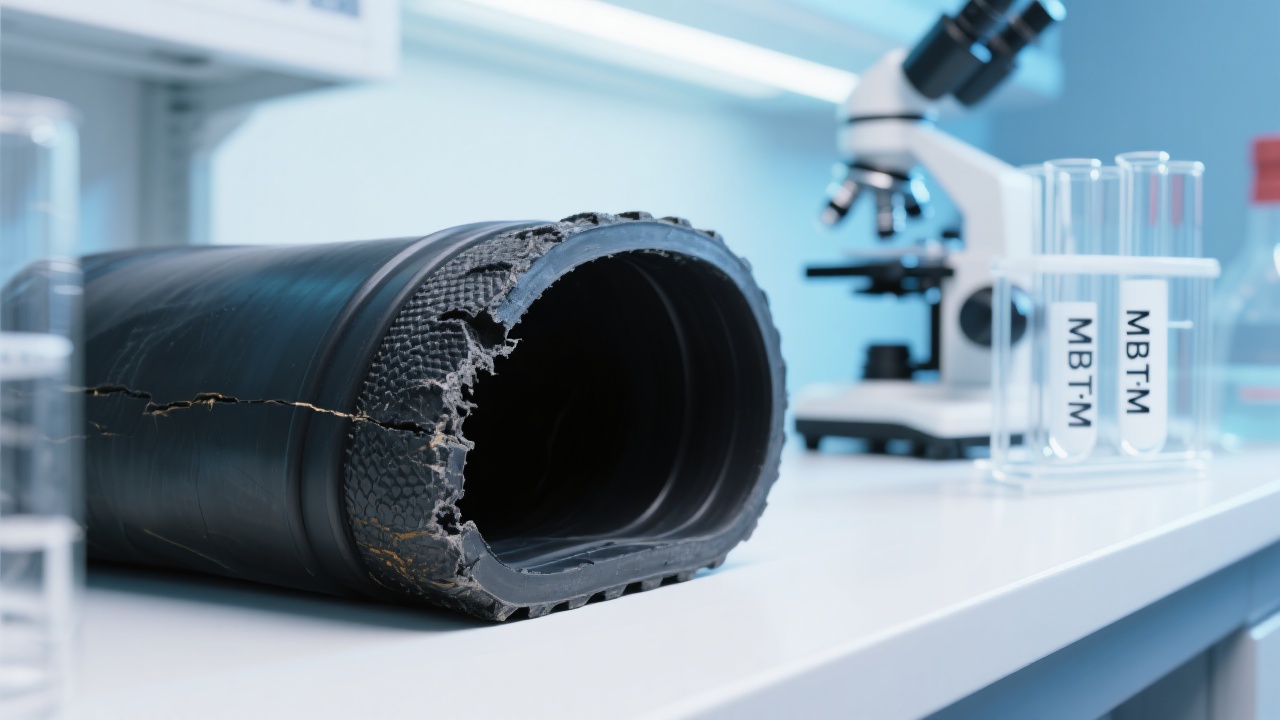
5) Typical Engineering Scenarios (How the Choice Shows Up on the Shop Floor)
Tire Sidewall (NR/SBR blends, high flexing)
If your sidewall compound sees repeated bending and heat buildup, oxidation-assisted crack growth becomes a dominant risk. In this case, IPPD-class antioxidants are frequently selected because they tend to maintain performance under dynamic strain, where simple heat-aging retention alone doesn’t tell the whole story.
NBR Seals & O-Rings (oil + heat aging)
Here you’re balancing oxidation resistance with compatibility in oil-present environments. An oil-soluble, water-insoluble IPPD-class antioxidant can support dispersion and long-term protection, provided you confirm migration/blooming behavior and your compliance requirements.
Conveyor/Drive Belts (heat + cyclic bending)
Belt failure is often fatigue-led, accelerated by thermal oxidation. If your maintenance data shows cracking or rapid stiffness increase, it’s a signal to prioritize antioxidants validated for both heat aging and flex performance, rather than relying only on general-purpose phenolics.
The practical message: let your failure mode decide the chemistry. That’s how you reduce “mystery failures” and stop paying for durability you never actually achieved.
6) Where GO Fits: IPPD-Class Antioxidant for Heat Aging + Flex Durability
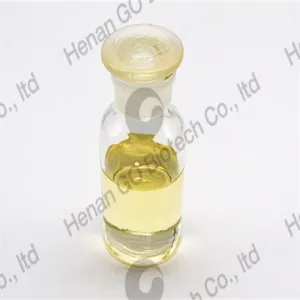
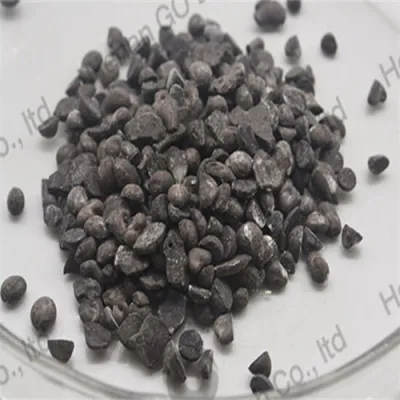
If your product is expected to run hotter, flex longer, or survive harsher duty cycles, GO works with IPPD-class antioxidant solutions such as N-Isopropyl-N′-phenyl-p-phenylenediamine (C15H18N2, CAS 101-72-4), commonly applied in tires, seals, and transmission/conveyor belts. It is typically characterized by strong oil solubility and insolubility in water, aligning well with many industrial rubber formulations.
Make your rubber products more durable and more reliable—start with the right selection. When you choose based on service temperature, strain mode, and validation tests, you’re not just picking an additive—you’re protecting your performance promise.
Quick Interaction Prompt (for your next test plan)
If you tell us (1) rubber type, (2) continuous/peak temperature, (3) whether the part flexes, and (4) oil/contact media, we can help you shortlist antioxidant options and define the minimum validation set (oven aging + fatigue/crack-growth) for your application.
.png)








.jpg?x-oss-process=image/resize,h_300,m_lfit/format,webp)


.jpg?x-oss-process=image/resize,m_fill,h_100,w_100/format,webp)


